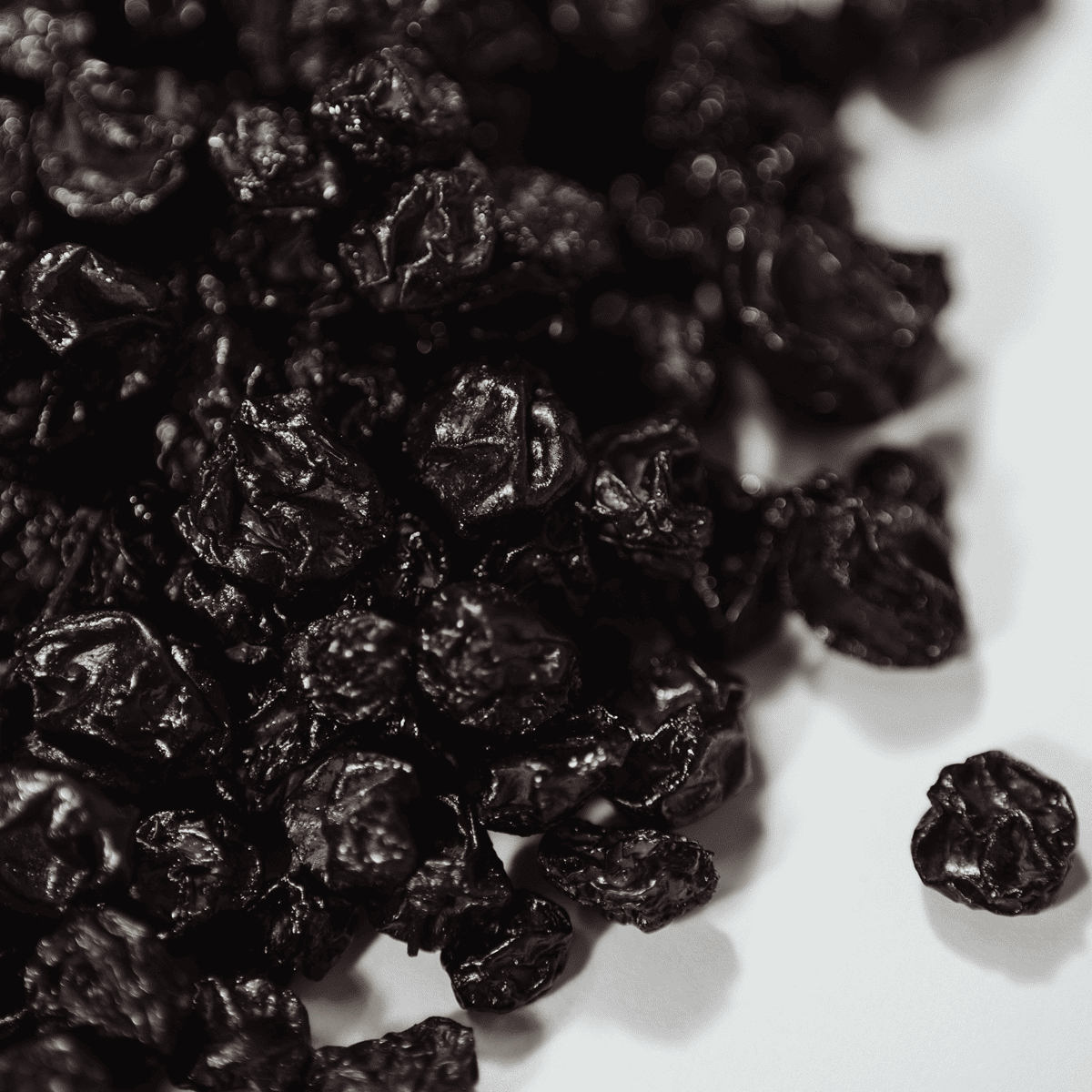
Corinthian currants are one of the most characteristic Greek products: small, dark black, seedless, with a sweet and slightly tangy taste. Ours come from the Corinth region. They are the currant that raisin bread, festive breads and many traditional sweets call for.
Specifications
| Origin | Greece (Corinth) |
|---|
| Variety | Corinthian |
|---|
| Colour | Dark black |
|---|
| Taste | Sweet, suitable for pastry |
|---|
| Packaging | 10 kg carton |
|---|
| Minimum order | 1 carton (10 kg) |
|---|
| Storage | Up to 10 °C, humidity below 60% |
|---|
Best uses
Corinthian currants are used in:
- Raisin breads, festive breads and sweet breads
- Cakes, cookies and tray bakes
- Loose sale and retail packs
Buying Corinthian currants wholesale
Corinthian currants come in 10 kg cartons, with a minimum order of one carton. For prices and availability contact us on +30 2541 200 900 or at sales@carpebo.com. Before the holidays, when bakeries need more, it pays to order early. Orders are dispatched from Thessaloniki within 2 to 3 working days of confirmation, across Greece and, by arrangement, to other EU countries.
Storage
Store at up to 10 °C and below 60% relative humidity, in closed cartons. In heat the currants stick together and their sugar crystallises on the surface.
Frequently asked questions
How do they differ from sultanas?
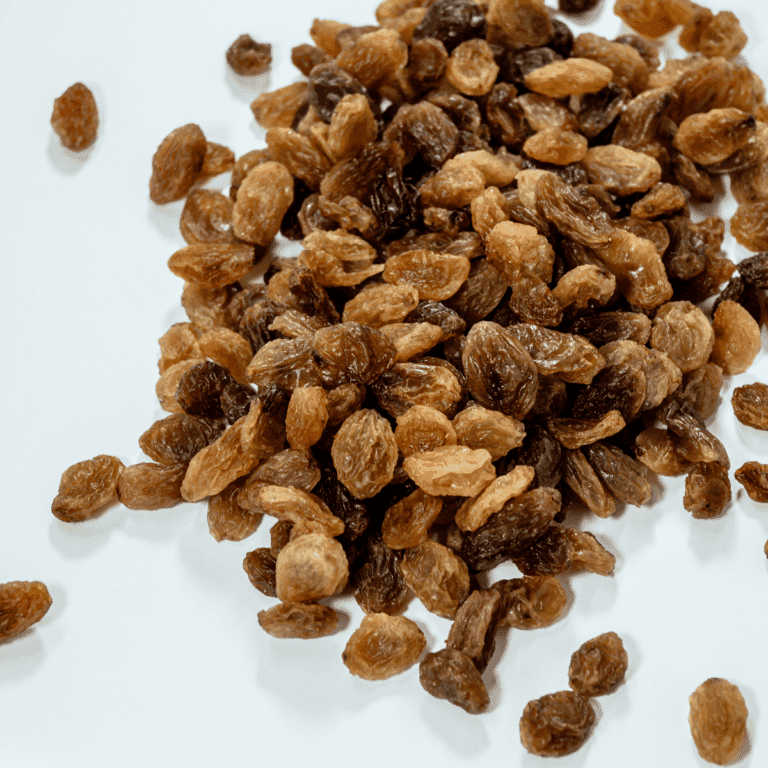
Corinthian currants are smaller, black and more intense in taste. Sultanas are larger, golden and sweeter.
Do they have seeds?
No, Corinthian currants are naturally seedless.
Do they need washing before use?
For doughs, many bakers soak them for a few minutes so they do not draw moisture from the dough. For eating as they are, no.
See all our wholesale dried fruits.